Choosing the right fuel card isn’t a one-size-fits-all decision. A fuel card for small business operations looks fundamentally different from what a large fleet requires, and picking the wrong one can cost you more than just money.
What Makes a Fuel Card for Small Business Different
Small business fuel cards need to be simple. When you’re running a small business with fewer vehicles, you don’t have time for elaborate reporting dashboards or multi-level approval hierarchies. You need to know who filled up where, what they spent, and whether it was fuel they purchased.
A business with a small fleet typically wants:
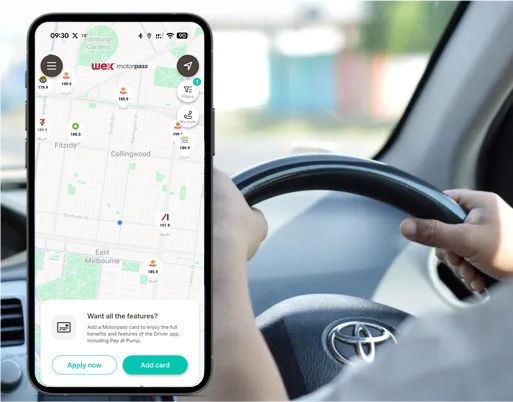
Quick spending alerts sent directly to an app or to their mobile – with the ability to set limits and restrict purchases.
Access to competitive fuel pricing and national networks that let drivers fill up almost anywhere, often including discounts per litre at major retailers and savings on in-store purchases
Simple monthly statements that can be uploaded to into Xero or MYOB, replacing lost receipts with a single, ATO-approved document for easy GST tracking
Opportunities to earn discounts with participating retailers, turning everyday fuel purchases into cost saving benefits for your business
The admin burden matters here more than you’d think. Small operators often manage fuel cards alongside a dozen other tasks. If setting spending limits requires logging into a complex portal and navigating through multiple screens, it simply won’t get done or won’t be efficient enough.
How Fuel Card Requirements Scale Up for Large Fleets
Odometer capture at point of sale for accurate fuel efficiency tracking
Streamlined fringe benefits tax (FBT) reporting tools that help businesses manage the tax applied to employee vehicle benefits, while simplifying calculations, record-keeping and documentation
Built-in ATO compliance features that help keep your fleet transactions audit-ready and aligned with Australian Tax Office requirements
The reporting becomes strategic rather than just administrative. A transport company with a large fleet might analyse fuel data to identify which routes are least efficient, which drivers consistently achieve better fuel economy, or whether certain vehicles need maintenance. This level of analysis requires fuel card systems that can export data in formats compatible with business intelligence tools.
Both need access to major networks Larger operations typically require nationwide or broader network coverage to ensure drivers can conveniently locate fuel without excessive driving
Both need access to major networks Smaller fleets often look for specific partner networks
Common Mistakes That Cost Real Money
The most expensive mistake small businesses make is choosing enterprise-grade fuel cards because they assume more features equal better value. You end up paying for reporting capabilities that you may not require and lack the time to properly configure the basic controls you do need. Another common mistake is ignoring fraud prevention features. Small operators often think fraud isn’t a concern with only a few employees, but theft happens on any scale.
Large fleets make the opposite error-choosing basic small business fuel cards because they’re cheaper, then realising they can’t get the reporting their finance department demands. One logistics operator trying to manage 30 vehicles on a simple fuel card system designed for small businesses is not practical. When tax time comes, the accountant might spend 40 hours manually reconciling transactions because the export format wasn’t compatible with their accounting software. The money saved on card fees was lowered by manual processing.
Matching Your Fuel Card to Your Growth Stage
Here’s what gets overlooked-your fuel needs will change as you grow. A small business that starts with two vehicles might have 12 within three years. Switching fuel card providers mid-growth is disruptive and time-consuming.
This is where Motorpass makes practical sense for Australian businesses at any stage. Rather than forcing you to choose between “basic” or “enterprise” from day one, Motorpass scales with your actual requirements. Start with simple purchase controls and mobile alerts when you’re running a few vehicles. As you expand, activate more sophisticated reporting, add different card types for different employee levels, and integrate with your fleet management systems-all without changing providers or renegotiating contracts.
You’re not paying for features you don’t need yet, but they’re available when growth demands them. A small business can begin with basic fuel-only restrictions and spending limits, then add odometer tracking and detailed route analysis when they expand into commercial contracts requiring detailed reporting.
If you’re ready to match your fuel card to your actual business needs-whether that’s three vehicles today or 30 vehicles –apply for Motorpass here. The application takes about ten minutes, and you’ll have cards in your drivers’ hands within days, not weeks.
FAQs about Fuel Cards for Small Business vs Large Fleets
What are real world examples of fuel card requirements for small vs large business?
Consider an electrical contracting business with a few vans servicing residential jobs across Sydney. Their fuel card needs are straightforward-restrict purchases to fuel only, set a $150 daily limit per card, and receive a consolidated monthly invoice. The owner checks transactions weekly on their phone, spots any anomalies quickly, and exports the data directly to their accountant at tax time.
Now compare that to a courier company operating a large fleet across Queensland. They need geofencing alerts when vehicles fuel up outside their normal service area. They track fuel consumption against delivery schedules to identify inefficient routes. They use odometer data to schedule preventative maintenance. Their finance team needs separate reporting for different client contracts, and their operations manager monitors real-time fuel spending against monthly budgets.
The gap between these two scenarios is significant.
What does a small business need from a fuel card?
Small businesses need fuel cards that streamline operations whilst reducing costs and administrative burden. The essential features include:
Cost Management & Savings
Administrative Efficiency & Reporting
Control & Security
Convenience & Accessibility
Technology Integration
These features work together to help small businesses focus on growth rather than getting bogged down in fuel expense management and reconciliation.
What does a large business need from a fuel card?
Large businesses operating commercial fleets require fuel cards that deliver comprehensive solutions across four key areas:
Network accessibility for optimised route planning
Detailed reporting and expense tracking for ATO & FTB compliance
Security and operational controls for monitoring and maintaining large fleets
Significant savings and cost control
Are fuel cards worth it for any business size?
Yes, fuel cards can be worth it for Australian businesses of any size that operate at least one vehicle. They deliver value through cost savings and discounts, reduced administration, enhanced control and security and improved reporting:
Whilst large fleets maximise savings and data insights, small businesses benefit significantly from the streamlined expense tracking and time saved on paperwork. If your business uses vehicles regularly, a fuel card simplifies the complexity of managing mobility expenses and helps you focus on what matters most-running your business.