The transition to electric vehicle fleets is reshaping how Australian businesses manage their transport operations. Whilst traditional fuel cards have long been the standard for petrol and diesel fleet management, the rise of EVs is creating new questions about how these systems adapt to charging infrastructure and mixed fleet operations.
Understanding Electric Vehicle Fleets
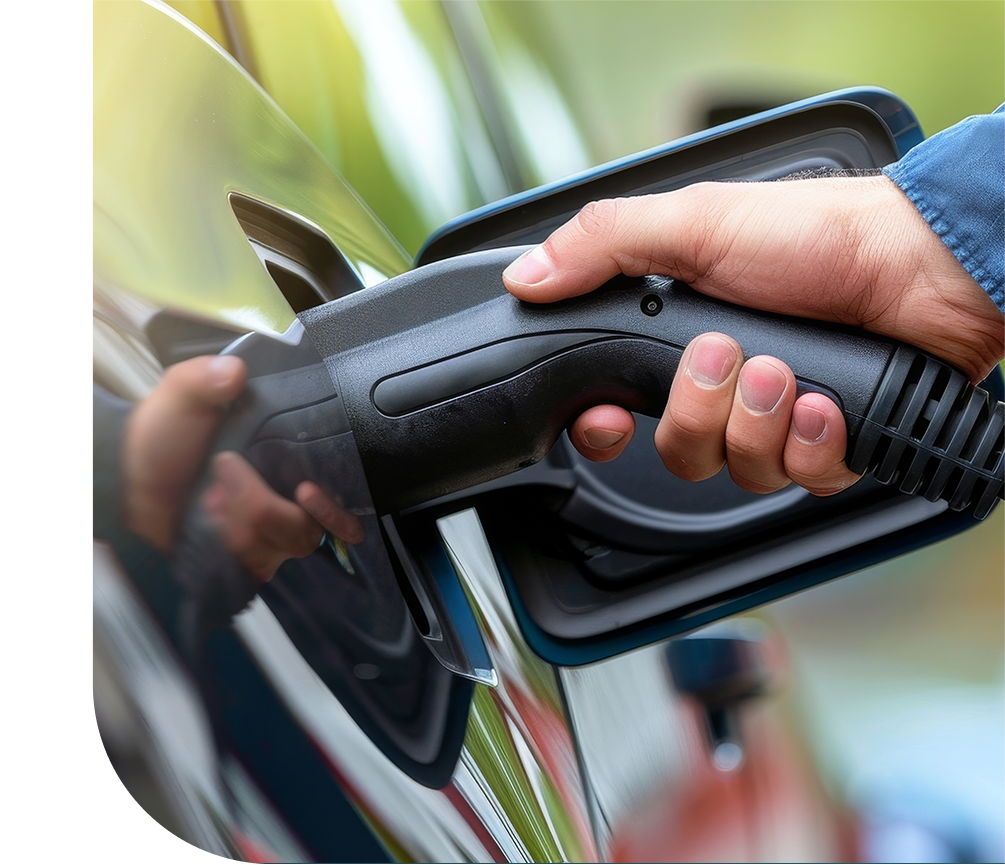
A business with electric vehicle fleet operations consists of company-owned or leased vehicles that run entirely or partially on electric power, integrated into their existing fleet operations. This includes fully battery electric vehicles (BEVs) and plug-in hybrids. Managing a mixed fleet comprised of both traditional fuel and electric vehicles introduces a new level of operational complexity. You’re suddenly dealing with two different refuelling infrastructures, tracking charging costs alongside petrol purchases, and managing reimbursement for drivers who charge at home or public stations.
Studies on current commercial fleet operators indicate that those who already have a mix of fuel operated vehicles and electric vehicles aim to have at least 25% of their fleet be electric by 2030.
The Current State of Fuel Cards for Electric Vehicles
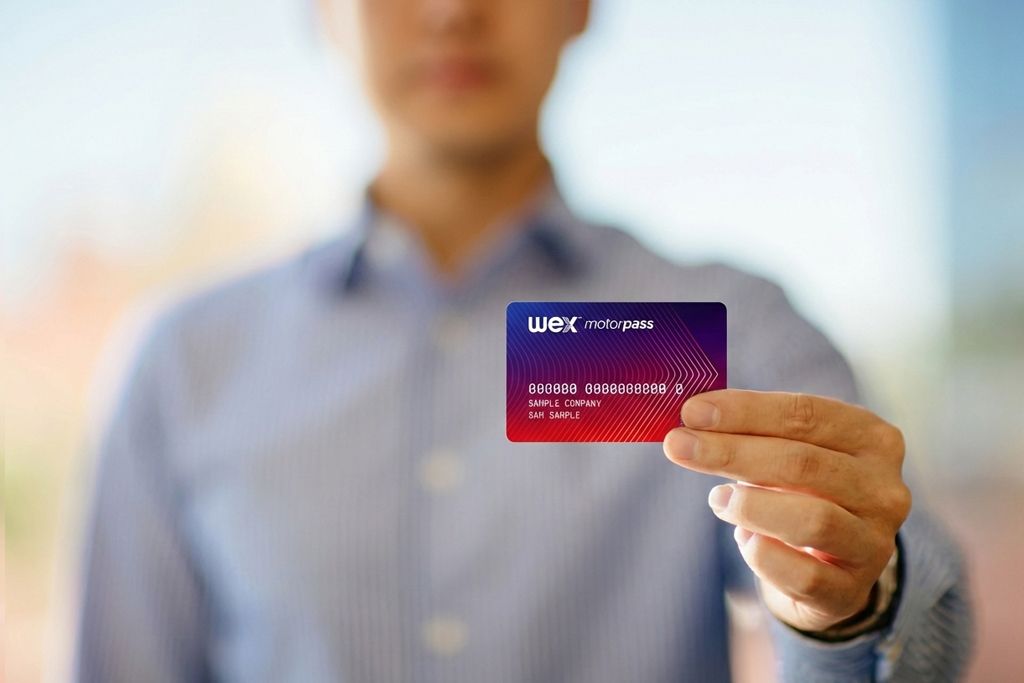
Is there a fuel card for electric cars? In Australia some of the major oil companies now offer combined fuel and EV cards. But considering most businesses are likely to use fuel cards from multiple brands to achieve adequate coverage, this introduces the same problem of too many systems and processes to manage. WEX Motorpass® has introduced EV functionality to solve for this. The market has developed and WEX Motorpass is part of that solution.
WEX Motorpass is the only multi-brand fuel card in Australia to offer a digital payment experience for electric vehicles. The infrastructure is still expanding, and businesses transitioning to EVs now are essentially future proofing their operations.
WEX Motorpass is already equipped to support your electric fleet. Your drivers can locate over 3,000 charging plugs across 2,000+ stations nationwide using the WEX Motorpass Driver App, and our consolidated billing solutions ensure your EV charging payments are integrated into your account.
How EV adoption is evolving in the Australian market
While around one-quarter of Australian organisations view decarbonisation as central to their business strategy, fewer than half have established firm timelines for fleet electrification. The transition is being shaped by a combination of executive-level commitment, regulatory requirements, and customer expectations around sustainability.
The operational reality of managing mixed-energy fleets presents significant challenges for Australian operators. Data collection from internal combustion engine vehicles remains difficult, creating route planning complications for 63% of respondents managing hybrid fleets. Half report integration struggles between ICE and EV software systems – a particularly notable concern given that 95% rely on proprietary in-house platforms rather than third-party telematics.
Charging infrastructure reveals a distinctive pattern in the Australian market. Public charging stations see notably lower usage compared to other regions, with just 53% of operators utilising them regularly. Operators cite familiar obstacles: stations prove difficult to locate, reliability remains inconsistent, and maintenance standards fall short. Depot charging emerges as the preferred approach, adopted by 77% of Australian fleets, though capital investment requirements for establishing private infrastructure continue to present barriers to entry.
Payment simplification stands out as a clear priority. When evaluating vendor partnerships, 58% of fleet operators identify unified payment capability as the most important factor-specifically, the ability to use a single fuel card for both traditional fuel purchases and EV charging transactions.
Find out more about the adoption of the EV transition globally.
Preparing Your Fleet for Tomorrow
Managing charging reimbursement, tracking costs across different energy sources, and maintaining oversight of mixed fleets requires a system that grows with your fleet. WEX Motorpass delivers a unified solution, integrating EV and fuel payment data into a single, comprehensive reporting platform that simplifies fleet management, regardless of your vehicle composition.
One Card, One Platform: Transitioning to EV doesn’t mean overhauling your existing setup. Fleet managers do not need to issue new cards to existing customers, as EV functionality can be added to existing Motorpass fuel cards. Simply enable the feature through your online account and your fleet is ready to charge.
Consolidated Reporting, Zero Admin Overhead: Keeping track of fuel, charging sessions, and other vehicle expenses across a mixed fleet can quickly become an administrative burden. WEX Motorpass removes that complexity by bringing everything together in one place. Receive one ATO-compliant statement that covers fuel, charging, and other vehicle expenses, giving fleet managers a clear, accurate view of total vehicle spend and making tax time significantly simpler.Ready to streamline your fleet?
Ready to streamline your fleet?
FAQs
Is there a fuel card for electric cars?
Yes, and WEX Motorpass is the only multi-brand fuel card in Australia to offer a digital payment experience for EV charging, giving businesses a single card and account to manage both fuel and EV charging costs. While the broader market is still catching up as charging infrastructure expands, WEX Motorpass already offers a proven, scalable solution for fleets of every size.
What is an electric vehicle fleet?
An electric vehicle fleet comprises company-owned or leased vehicles that run on electric power, including fully battery electric vehicles (BEVs) and plug-in hybrid electric vehicles (PHEVs). These can be businesses that have integrated EVs into their existing operations or those operating solely with EV technology.
What is the 80% rule for EV?
The 80% rule recommends charging electric vehicles to only 80% capacity for daily use. This practice extends battery life and reduces charging time, since charging from 80% to 100% takes significantly longer.
Copyright ©2026 WEX Inc. All rights reserved. The information in this document is subject to change without notice.