Fleet managers know the frustration: fuel costs keep climbing but pinpointing where the money actually goes feels like searching for a needle in a haystack. While your vehicles are actively generating mileage, a lack of clear data makes it difficult to manage fuel spend effectively or identify potential cost savings. This is where fuel card reporting transforms from a simple expense tracking tool into a strategic asset for fleet management efficiency.
Most fleet operators focus on the obvious costs-vehicle purchases, insurance, maintenance schedules. Fuel card data gives you the diagnostic power to spot problems before they start cutting into profits.
How Fuel Card Reporting Benefits Fleet Management Efficiency
Think of fuel card reporting as a health check for your fleet. Every transaction captures crucial data points: where your vehicles refuel, how much they consume, when they fill up, and which driver authorised the purchase. This granular visibility reveals efficiency drains that often go unnoticed.
Cost Savings Through Visibility and Action
Many fleet card programmes offer discounts, rebates and other rewards that lead to substantial reductions in fuel spend. While some cards restrict these benefits to specific brands, limiting where your drivers can refuel, other providers extend savings opportunities across all stations-giving you flexibility without sacrificing value.
Additionally, some fuel card programmes include partnership discount networks that give you access to major savings on fleet-related expenses. From tyres and parts to hotels and services, these networks free up cash flow across your entire operation.
Wide Acceptance for Operational Flexibility
Your drivers shouldn’t have to hunt for specific fuel stations. Modern fuel cards work across thousands of fuel stations, and the reporting data shows you exactly where your team is filling up. This helps you identify patterns-perhaps certain routes consistently use more expensive stations-and adjust accordingly. The flexibility means operations keep moving whilst you maintain complete oversight.
Real-Time Transaction Monitoring That Eliminates Manual Work
Fleet managers need to monitor fuel purchases as they happen, and you need a fuel card to support this. Fuel card reporting capabilities should allow for details to be collected based on transactions that feed into a reporting dashboard. This eliminates the need for manual auditing to identify where expenditure is going.
Customisable Spending Controls That Prevent Overspending
Set daily or weekly limits, restrict purchases to fuel only, or block weekend transactions to control fuel and vehicle related expenditure. These controls appear instantly in your reporting dashboard, letting you spot any attempts to exceed parameters. You’ll see exactly when and where spending limits work effectively, and where adjustments can be made based on actual operational needs.
Improved Security and Fraud Prevention
Inconsistent transaction patterns stand out immediately in detailed reports. A card used twice within 30 minutes at different locations? Fuel purchases that don’t align with vehicle tank capacity? The data flags these anomalies automatically. You can also track mileage against fuel consumption, revealing discrepancies that might indicate card misuse or vehicle maintenance issues.
Streamlined Expense Management
Gone are the days of chasing paper receipts. Every transaction automatically generates a digital record with time, location, vehicle registration, and product type. Your team spends less time on administrative tasks and more time on actual fleet management.
Integration with Accounting Software
Export reports directly into your existing accounting systems. Most fuel card providers offer CSV files that sync with Xero, MYOB or Samsara. This eliminates manual data entry and the errors that inevitably follow.
The real power lies in trend analysis. Compare fuel efficiency across vehicles, identify your most cost-effective routes, and benchmark driver behaviour. You might discover that certain drivers consistently achieve greater fuel efficiency, allowing you to share best practices across your team. These insights drive real operational improvements, not just theoretical savings.
Fuel card reporting turns a simple payment method into a strategic tool for fleet optimisation.
Key Fuel Card Reporting Metrics for Fleet Management Efficiency
Raw data means nothing without context. Smart fleet managers track specific metrics that actually drive decisions.
- Fuel consumption per vehicle: Establish baseline consumption rates for each vehicle type in your fleet. When individual vehicles exceed their baseline by 10-15%, investigate immediately.
- Cost per kilometre: This metric cuts through the noise of fluctuating fuel prices. Calculate total fuel costs divided by total kilometres driven, then compare across vehicles, drivers, and time periods.
- Fuel economy by route: Same route, different fuel consumption? That’s your cue to examine route conditions, driver behaviour, or vehicle performance.
- Transaction patterns: Regular analysis of when, where, and how often vehicles refuel reveals scheduling inefficiencies and potential fraud.
According to GPS fleet management specialists, tracking these KPIs-including fuel usage, trip efficiency, and vehicle downtime-helps businesses identify trends and improvement opportunities that would otherwise remain invisible.
Turning Fuel Card Reporting Data Into Action
Collecting data is one thing. Acting on it is another entirely.
Establish a Baseline
Start by establishing baseline metrics for your current operations. You need to know where you are before you can measure improvement. Run reports monthly-or even weekly for larger fleets-and look for outliers. Which vehicles consistently underperform? Which drivers show the best fuel efficiency? What routes need optimisation?
Foster Transparency
Share this information with your team. Transparency drives improvement. When drivers see their fuel efficiency rankings, competitive instincts often kick in. Some fleet managers have successfully implemented recognition programmes for top-performing drivers, creating a culture where efficiency matters.
Integrate for Success
Most importantly, integrate fuel card reporting with your broader fleet management efficiency strategy. The data should inform maintenance schedules, replacement decisions, route planning, and driver training programmes.
How WEX Motorpass Reporting Streamlines Your Fleet Efficiency
Our fuel card, WEX Motorpass®, has been designed to specifically transform fuel card reporting from a backward-looking expense record into a forward-looking efficiency tool. Our reporting dashboard doesn’t just show you what happened; it highlights what needs your attention right now.
The WEX Motorpass card automatically flags unusual transactions, calculates key efficiency metrics across your fleet, and delivers insights that allow you to take action, rather than raw spreadsheets. The system integrates transaction data with vehicle information, making it simple to spot inefficiencies. These insights let you have specific, data-backed conversations.
Ready to stop guessing and start knowing exactly where your fleet management fuel efficiency stands? Discover how WEX Motorpass reporting can give you the visibility you need to cut costs and improve performance across your entire operation.
Ready to gain total visibility over your fuel spend? Explore WEX Motorpass Features
FAQS on Improving Fleet Management Efficiency through Reporting
How does reporting improve fleet management efficiency?
Reporting improves fleet management efficiency by providing visibility into fuel usage, vehicle expenses and spending trends across your business. These insights can help businesses identify cost-saving opportunities, monitor fuel efficiency, simplify administration and make more informed operational decisions.
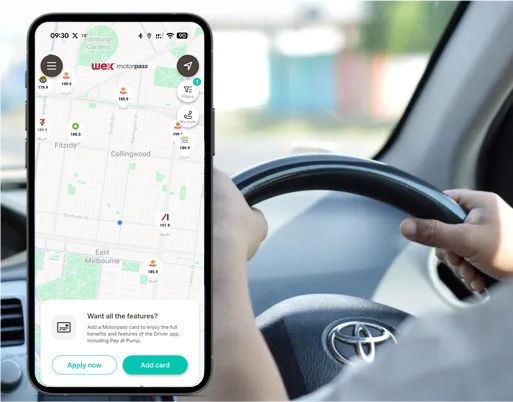
Tools such as the WEX Motorpass Driver App can also help drivers locate fuel sites and compare fuel prices nearby, helping businesses better manage fuel spend on the road.
What are the key benefits of fuel card reporting?
Key reporting benefits for fleet management efficiency include:
- Fuel Management & Reduction: Reports identify excessive idling, speeding, and fuel consumption trends, allowing you to correct poor driving habits and reduce costs.
- Asset Utilisation: Detailed reports track vehicle idle time and mileage, ensuring your vehicles are properly allocated to jobs and not underutilised.
- Proactive Maintenance: Automated reports based on diagnostics prevent unplanned downtime, keeping your vehicles on the road and lowering maintenance costs.
- Optimised Routing: GPS tracking data helps plan the most direct routes, bypassing traffic or construction to save time and fuel.
- Improved Driver Behaviour: Driver scorecards and behaviour reporting (harsh braking, speeding) are used for training, increasing safety, reducing accidents, and lowering insurance expenses.
- Compliance and Safety: Consistent reporting helps you meet Australian legal requirements for vehicle maintenance and reduce operational risks.
How do I effectively use reporting capabilities to improve fleet efficiency
Reporting tools can help businesses gain better visibility into fuel usage, vehicle expenses and fleet activity. By reviewing reporting insights regularly, businesses can identify spending trends, monitor fuel efficiency, reduce unnecessary costs and make more informed operational decisions.
Detailed reporting can also simplify expense management, support budgeting and assist with tax and compliance record-keeping, helping businesses save time on administration while improving overall fleet efficiency.
Copyright ©2026 WEX Inc. All rights reserved. The information in this document is subject to change without notice.