Fuel cards have evolved from simple payment tools into fleet management systems that give businesses tighter control over fuel spend and cut admin time. Yet selecting the right fuel card remains one of the most challenging decisions fleet managers are facing.
Fuel prices and supply availability have negatively impacted 72% of Australian businesses, according to latest data from the Australian Bureau of Statistics (ABS). Robust tools and clear visibility for tracking and analysis are more essential today than ever before.
This guide shows you how to choose the right fuel card provider to help you run your fleet with confidence.
Beyond Discounts: Key Factors When Evaluating Fuel Cards
Most businesses approach choosing the best fuel card by comparing discount rates. That’s logical, but it misses several critical factors that determine whether a fuel card actually delivers value in practice.
Network Coverage vs. Discount Depth
Fuel card selection usually comes down to this comparison: branded cards may offer deeper discounts but restrict you to one network, while multi-brand fuel cards provide greater flexibility across participating sites.
Although the discount per litre may be smaller, broader acceptance gives businesses the freedom to choose competitively priced fuel, helping them save compared with paying higher prices at some branded sites. It’s the combination of the fuel price and the discount that determines the actual saving.
For regional fleets or those covering long-haul routes, network coverage isn’t negotiable. A driver who detours 20 kilometres to reach an approved station burns through any discount savings in wasted fuel and time.
The Lost Receipt Problem
Traditional fuel cards can leave you chasing paper dockets for ATO compliance, often resulting in incomplete BAS claims and audit headaches. Fuel cards with Level 3 data can help eliminate much of this paperwork by capturing detailed transaction information directly at the point of sale. This can provide greater visibility into each purchase and make it easier to maintain accurate records for reporting and reconciliation.
Fraud and Theft
Fuel theft drains an estimated 3-8% of total fleet fuel spend. The fraud takes many forms: siphoning fuel into personal vehicles, card-not-present transactions, and duplicate fills at odd hours. Without proper spending controls and transaction monitoring, fleet managers can be exposed to higher fleet fuel costs from fraud and theft.
How to Choose the Best Fuel Card for Your Fleet Type
Different fleet configurations demand different fuel card strategies. Here’s how to evaluate options based on your fleet size and operation.
Small Business Fleets (1-10 Vehicles)
The best fuel card for small businesses prioritises simplicity over complexity. You’d likely need a fuel card that offers:
- Transparent and competitive monthly fee: For low-volume fleets, it’s important to weigh the monthly fee against potential fuel savings and the other benefits the card provides.
- Simplified Expense Exports: Look for statement formats that export cleanly into standard formats (.txt or .csv), enabling easy import into accounting software like Xero, MYOB, or QuickBooks for fast reconciliation
- Flexible Purchase Controls: Restrict spending to fuel and oil only, preventing unauthorised store purchases.
Medium to Large Fleets (10-50+ Vehicles)
As fleet size increases, volume-based discounts and sophisticated reporting become non-negotiable. The best fuel card for a business at this scale should provide:
- Consolidated Billing: Combine all vehicle purchases into a single tax-compliant statement to simplify monthly accounting across branches.
- Granular spending controls: Set different limits by vehicle, driver, or transaction type.
- WEX Motorpass Network Reach: WEX Motorpass provides access to over 6,500 service locations across Australia – covering more than 95% of all fuel sites. This breadth ensures your drivers can refuel anywhere without altering their routes.
WEX Motorpass is a multi-brand fuel card that excels in this segment, with access to over 6,500 fuel and service locations. The broader network proves valuable for fleets covering diverse territories or mixing metropolitan and regional routes.
Mixed Fleets
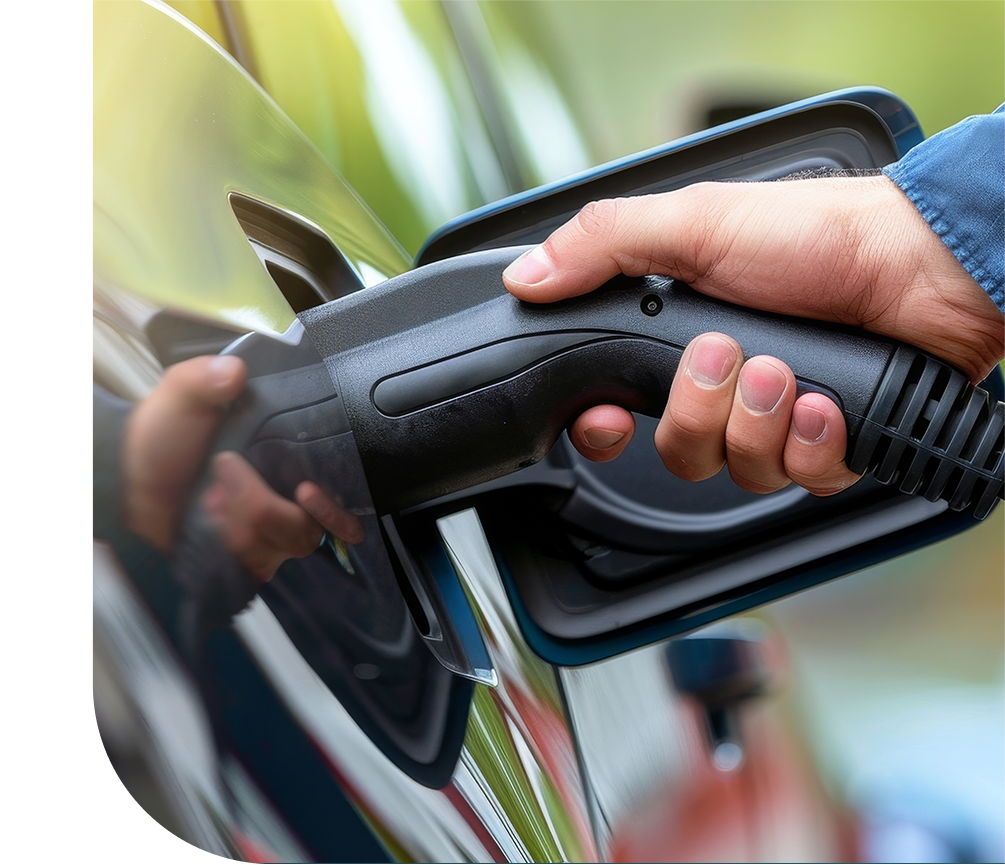
Mixed fleets bring a unique set of challenges, with EVs and traditional petrol or diesel vehicles requiring entirely different refuelling and charging patterns, network coverage, and expense profiles. The best fuel card in this category should include:
- Wide network acceptance: Both fuel stations and EV charging points, so every vehicle in your fleet is covered
- Flexible transaction controls: Different rules for fuel purchases versus charging sessions, tailored to each vehicle type
- Cost-per-kilometre tracking: Separate reporting for EVs and traditional vehicles to identify efficiency gaps and compare running costs accurately
A fuel card built for mixed fleets, like WEX Motorpass, handles this complexity in one account rather than juggling separate providers for fuel and charging. The ability to pay for both fuel and EV charging on a single card prevents the common scenario where drivers can’t access the right fuel or charging option at the optimal location, forcing inefficient routing decisions.
Specialised Features for Heavy Vehicle & Long-Haul Fleets
Heavy vehicle operations demand specialised features beyond basic fuel purchasing. For HGV fleets, your fuel card provider must deliver:
- Truck stop coverage: Access to facilities designed for large vehicles, with adequate manoeuvring space and amenities
- Integrated services: Vehicle servicing, repairs, and AdBlue purchasing through the same card network
- High transaction limits: HGV fuel purchases often exceed $500 per fill
- Enhanced fraud monitoring: Given that fuel theft is particularly prevalent in trucking, a robust fraud monitoring system is essential to protect the fleet
Your Fuel Card Selection Checklist
Choosing the best fuel card for your business is becoming increasingly important for modern fleet management. Whether you’re operating a small business fleet or transitioning to a mixed fleet, use this checklist to evaluate potential fuel card providers systematically.
Step 1: Calculate Your Baseline
Before comparing fuel cards, establish your current fuel spend. Calculate total annual litres consumed, average cost per litre, and geographic distribution of fuel purchases. This baseline allows you to model actual savings under different card scenarios rather than relying on marketing claims.
Step 2: Map Your Coverage Requirements
Plot your regular routes and identify fuel stop clusters. If your operations concentrate in specific regions or along established corridors, a branded network with strong presence in those areas may outperform a broader network with thinner coverage. For dispersed operations, prioritise network breadth.
Step 3: Review Accounting Compatibility
Confirm your card provider issues ATO-compliant statements with standard file export formats (.txt or .csv) for easy upload into Xero or MYOB.
Step 4: Define Control Requirements
Specify what spending controls you need: fuel-only restrictions, transaction amount limits, time-of-day controls, driver PINs, or geographic restrictions. Different providers offer varying levels of control granularity. If fraud prevention is a priority, ensure the card includes real-time transaction monitoring and exception alerts.
Step 5: Calculate Total Cost of Ownership
The card with the highest discount rate isn’t always the best value when you account for fees, coverage gaps, and administrative efficiency.
Build a complete cost model including:
- Annual fuel volume × per-litre discount = gross savings
- Monthly card fees × number of cards = annual card costs
- Estimated value of loyalty rewards (if applicable)
- Administrative time savings (hours saved × hourly cost)
- Reduced fraud exposure (estimated current losses × expected reduction rate)
Step 6: Test Service Quality
Request references from current customers with similar fleet profiles. Ask specifically about dispute resolution, technical support responsiveness, and billing accuracy. A fuel card provider’s customer service quality matters enormously when you’re dealing with transaction disputes or card replacement needs in the field.
Finding Your Optimal Fuel Card Solution with WEX Motorpass
At WEX Motorpass, we understand that fleet fuel management extends beyond simple payment processing. Our WEX Motorpass fuel card network provides access to over 6,500 fuel and service locations across Australia, covering over 95% of all fuel sites. Whether you’re running a small business fleet or managing heavy vehicles across long-haul routes, WEX Motorpass delivers the network coverage and control you need.
Our platform delivers ATO-compliant reporting, easy statement exports for accounting reconciliation, and customisable driver spend controls to keep your business operating efficiently.
Copyright ©2026 WEX Inc. All rights reserved. The information in this document is subject to change without notice.