EV
HMRC electric car mileage rates for 2026/27
Key takeaways
- Personal electric cars: 55p per mile for the first 10,000 business miles, then 25p per mile thereafter. The same AMAP rate applies to all cars regardless of fuel type.
- Company electric cars: the HMRC Advisory Electricity Rate is 7p per mile for home charging and 15p per mile for public charging.
- Eligibility: the personal AMAP rate applies to any car you own or lease privately; the Advisory Electricity Rate applies only to fully electric company cars used for business travel.
Introduction
As electric vehicles (EVs) have become increasingly popular in the UK, it is crucial for businesses and employees to understand the HM Revenue and Customs (HMRC) mileage rates for electric cars. This guide will explore the current electric car mileage allowance, how they compare to traditional fuel vehicles, and what factors influence these rates. Whether you are an employee using a personal electric car for work or a business owner managing a fleet of EVs, we will help you navigate the complexities of mileage reimbursement and tax implications.
What is the HMRC mileage rate for electric cars?
The HMRC electric car mileage allowance depends on whether you are using a personal vehicle or a company-owned car for business purposes. For personal electric vehicles used for work, the rates are the same as those for petrol and diesel cars under the Approved Mileage Allowance Payments (AMAPs) scheme:
- 55p per mile for the first 10,000 miles
- 25p per mile for any additional miles thereafter
For company-owned electric cars, HMRC has introduced a specific Advisory Electricity Rate (AER). As of the 2026/27 tax year, the Advisory Electricity Rate is 7p per mile for home charging and 15p per mile for public charging, for fully electric company cars used for business travel.
What are the HMRC business mileage rates?
| Vehicle type | Rate |
|---|---|
| Cars and vans (personal), including electric vehicles | 55p per mile (first 10,000 miles); 25p per mile thereafter |
| Motorcycles | 24p per mile |
| Bicycles | 20p per mile |
| Company cars (petrol) | 13p to 22p per mile, depending on engine size |
| Company cars (diesel) | 14p to 17p per mile, depending on engine size |
| Company cars (electric) | 7p per mile (home charging); 15p per mile (public charging) |
These rates apply for the 2026/27 tax year and are subject to change. The personal AMAP rates (55p/25p) are tax-free allowances, while the company car rates reimburse fuel or electricity costs only.
Hybrid cars are treated as either petrol or diesel for these rates. Use the relevant Advisory Fuel Rate, not the Advisory Electrics Rate (per GOV.UK).
How are mileage rates calculated?
HMRC calculates and revises mileage rates based on several factors, including:
- Average fuel prices (petrol, diesel, and electricity)
- Vehicle efficiency and running costs
- Market trends and adoption rates of electric vehicles
- Feedback from businesses and industry stakeholders
The Advisory Fuel Rates (AFRs) for petrol and diesel company cars are typically reviewed quarterly, with changes implemented on 1 March, 1 June, 1 September, and 1 December each year. The Advisory Electricity Rate (AER) for electric company cars is also subject to periodic review, although changes may not occur as frequently.
The personal AMAP rate for the first 10,000 miles rose from 45p to 55p (verify
effective date on GOV.UK); the 25p rate above 10,000 miles is unchanged. These tax-year
rates change less often than the quarterly company-car rates.
Can you still claim 45p per mile for an electric car?
No. 45p was the rate up to 2025/26. From 2026/27 the approved rate is 55p per mile for the first 10,000 business miles, then 25p thereafter. The rate still applies to all cars regardless of fuel type (petrol, diesel, hybrid or electric).
- Personal electric vehicles: employees can claim up to 55p per mile for the first 10,000 miles and 25p per mile thereafter under the AMAPs scheme, a tax-free allowance covering electricity, wear and tear, and insurance.
- Company-owned electric vehicles: use the Advisory Electricity Rate. 7p per mile (home) or 15p per mile (public) for 2026/27, to reimburse electricity costs only.
It is worth noting that if an employer pays less than the approved amount for business mileage in a personal vehicle, the employee may be able to claim Mileage Allowance Relief (MAR) on the difference through their tax return.
Worked example: allowance and Mileage Allowance Relief
This example illustrates how the allowance works. It is not tax advice, always check the latest HMRC guidance or speak to a tax adviser about your own circumstances.
Scenario: Sarah drives her personal electric car 12,000 business miles in 2026/27. Her employer reimburses her at 40p per mile.
- HMRC-approved allowance: First 10,000 miles at 55p = £5,500, plus 2,000 miles at 25p = £500, giving a £6,000 total allowance
- Employer reimbursement: 12,000 × 40p = £4,800
- Mileage Allowance Relief: Sarah can claim tax relief on the £1,200 difference. As a 20% taxpayer, this equals £240 of tax relief via Self Assessment.
What records do you need to keep?
To support a mileage claim, keep a record of:
- The date and business purpose of each journey
- The start and end postcodes
- The miles driven
- Whether the car is personal or company-owned
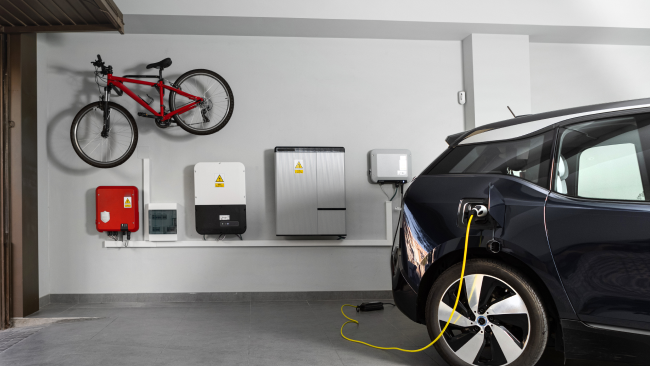
- For company electric cars, whether charging was at home or in public
Conclusion
Keeping mileage policies aligned with the current HMRC rates helps businesses budget
accurately and reimburse employees fairly. WEX fleet fuel cards and fleet management
tools help you track mileage, automate reporting and stay compliant with HMRC
guidance.