
Fleet
How do fuel cards work? A Detailed Guide
Key takeaways
A fuel card is a business payment card for fuel and vehicle essentials, billed to the company
on a single weekly HMRC-compliant invoice.
- Drivers hand the card to the cashier in the shop. It is often not a chip-and-PIN card and usually cannot be used to pay at the pump.
- The business can set spending limits, restrict purchases to certain fuel types or products, and see every transaction online.
- WEX Esso fuel cards are accepted at a large majority of UK fuel sites providing extensive coverage.
Introduction
Fuel cards have become an essential tool for businesses managing fleets and controlling fuel expenses. But how do fuel cards work, and what benefits do they offer?
In this guide, we’ll explore the ins and outs of fuel cards, their advantages, and how they can streamline your company’s fuel management process.
What is a fuel card?
A fuel card is a specialised payment card designed for purchasing fuel and vehicle-related
products and services. They function similarly to bank cards but unlike traditional credit or debit cards, fuel cards are tailored to meet the unique needs of businesses with vehicle fleets. Explore our comparison page to see which fleet fuel card suits your business.
Types of fuel cards
Not all fuel cards work the same way, and the right one depends on where your drivers refuel and how you want to manage payment.
Branded vs universal
Branded cards are tied to one fuel network, which suits businesses whose drivers stick to a particular brand or route. Universal (or multi-brand) cards are accepted across several networks, giving drivers more flexibility to fill up wherever is closest or cheapest. The trade-off is usually coverage versus simplicity: a branded card keeps things straightforward, while a universal card widens where the card can be used.
Prepaid vs credit or account
Prepaid business fuel cards are loaded with funds in advance, so drivers can only spend what has been added. This gives tight control over budgets and is a useful option for businesses that want to cap spend upfront. Credit or account-based cards work the other way round: fuel is drawn against a business account and settled later, usually on a single invoice, which suits established businesses with regular fuel costs and steady cash flow.
The Esso Card™ is a good example of how these lines are blurring. It is a branded card, accepted at 1,450+ Esso stations as well as selected BP and Shell-branded stations, giving customers access to a combined network of more than 3,600 filling stations across the UK. This means you get the simplicity of a branded card with much wider coverage.
How does a fuel card system work?
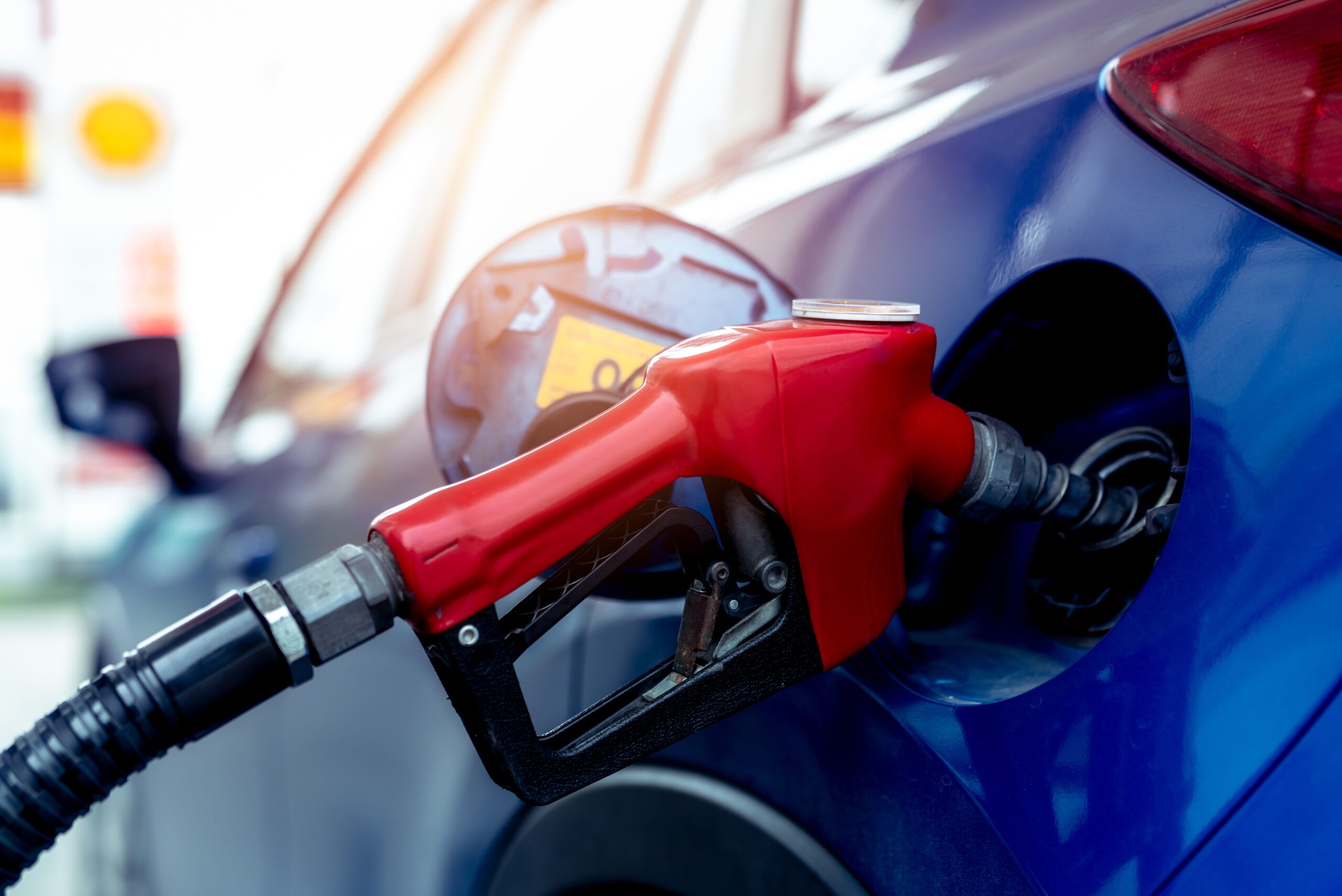
The process of using a fuel card is straightforward. When a driver needs to refuel, they visit a participating station, fill up, and use the fuel card to pay. Depending on the card and station, they may be able to pay at the pump or need to take the card inside to the cashier.
Once the transaction is complete, the fuel purchase is recorded and billed directly to the
company account. This eliminates the need for drivers to cover the cost personally and claim
expenses later.
- Drive to a participating fuel station: ensure the station accepts your specific brand or network of fuel card.
- Fill up as normal: dispense your fuel, noting your pump number.
- Pay inside with the cashier: always pay at the till inside. Most fuel cards are not accepted at automatic pay-at-the-pump terminals, as these terminals usually require standard bank debit or credit cards.
- Provide your pump number and details: tell the cashier your pump number. If prompted, provide your vehicle registration and current mileage reading (some card types enforce this for security and reporting).
- Process the payment: hand over the fuel card. Depending on the card network and terminal setup, the cashier will either swipe the magnetic stripe, insert it for chip-and-PIN, or use a contactless tap. Enter your PIN or sign the receipt if required.
- Handle the receipt based on your company policy: while all transaction details automatically record to your online portal and weekly invoice, it is recommended to keep physical receipts if your company requires them for internal audits or VAT cross-checking
If you have just received a fuel card and are unsure, this is the whole process. There is nothing to set up at the pump, and the cashier will guide you through it.
How do company fuel cards work for employees?
Company fuel cards work by allowing employees to purchase fuel without using personal funds or company credit cards. Here’s a breakdown of the process:
- The company issues fuel cards to authorised drivers
- Drivers use the cards to buy fuel at approved stations
- Transactions are recorded and sent to the company in real-time
- The company receives a single, itemised invoice for all fuel purchases
- Payment is made directly to the fuel card provider
This system simplifies accounting, reduces the risk of fraud, and provides detailed insights into fuel consumption patterns.
How do fleet fuel cards work?
Fleet fuel cards are designed to manage fuel expenses for multiple vehicles efficiently. They offer additional features tailored to fleet management, such as:
- Customisable spending limits per card or driver
- Restriction of purchases to specific fuel types or products
- Integration with telematics systems for comprehensive reporting
- Access to a wide network of fuel stations
What are the benefits of a fuel card?
Fuel cards offer numerous advantages for businesses, including:
Cost savings:
Improved cash flow:
Enhanced security:
Detailed reporting:
Simplified administration:
VAT reclaim:
Many fuel cards offer discounted rates or a fixed weekly price versus the pump.
With consolidated billing, companies can better manage their fuel expenses
PIN protection and purchase restrictions reduce the risk of fraudulent transactions
Gain insights into fuel consumption, mileage, and spending patterns
Eliminate the need for expense claims and manual record-keeping
Easier VAT recovery with HMRC-compliant invoices
The Esso Card™ gives drivers access to 1,450+ Esso sites nationwide, while businesses benefit from a fixed weekly price that makes fuel costs more predictable and easier to budget.
Fuel cards and tax: VAT and Benefit-in-Kind
Fuel card invoices from WEX are HMRC-compliant, which makes reclaiming VAT on business
fuel more straightforward, as each invoice gives a clear breakdown.
One point to be aware of: if a company fuel card is used for private mileage as well as business travel, there can be Benefit-in-Kind (BiK) tax implications for the employee. Businesses should set a clear policy on personal use. For more detail, see our guides to BiK for electric cars and HMRC mileage rates.
Things to check before you choose a fuel card
A fuel card suits most businesses that regularly buy fuel, but it is worth checking a few things first:
- Pricing: some cards charge a fixed weekly price set in advance, others track the pump price, and occasionally the card price can be higher than the forecourt price. Check which pricing model your card uses and keep an eye on it.
- Discounts vary by site: savings are often smallest at supermarket forecourts, so do not assume every litre is discounted.
- Fees versus usage: weigh any card or account fee against how much fuel you actually buy. The saving on a single low-mileage vehicle can be small.
- Network coverage: make sure the card’s station network covers the routes your drivers actually use.
Is it worth getting a fuel card?
For most businesses with a fleet of vehicles, the answer is a resounding yes. Fuel cards simplify expense management, reduce administrative burdens, and offer potential cost savings. However, it’s essential to consider your specific needs:
- Fleet size: Even small fleets can benefit from fuel cards, but larger fleets often see more significant advantages
- Geographic coverage: Ensure the fuel card network aligns with your operational areas
- Additional services: Some cards offer vehicle maintenance and toll payment options
- Reporting needs: Consider the level of detail required for your financial analysis
While fuel cards offer numerous benefits, it’s worth noting that they may have limitations in terms of accepted locations. However, with providers like WEX offering extensive networks, this drawback is often minimal.
Technological advancements in fuel card systems
The fuel card industry is continually evolving, with new technologies enhancing their functionality and user experience. Some recent advancements include:
- Mobile apps: Many providers now offer smartphone apps for real-time account management and station locators
- Telematics integration: Fuel cards can now sync with vehicle tracking systems for comprehensive fleet management
- Contactless payments: Some fuel cards now support contactless transactions for faster refuelling
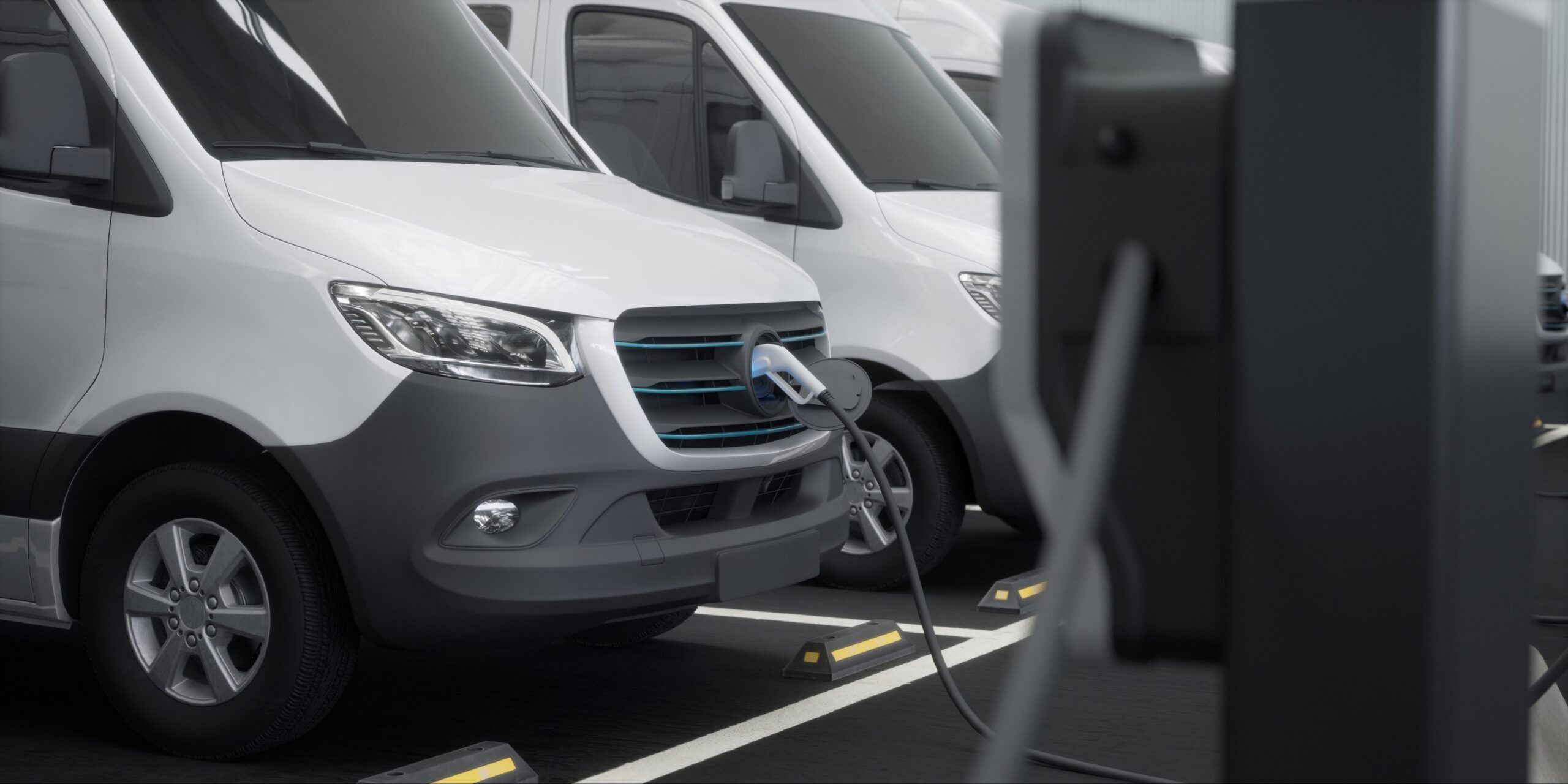
- Electric vehicle (EV) charging: As fleets transition to EVs, some fuel cards now cover charging costs
For example, WEX’s telematics solutions integrate seamlessly with their fuel card offerings, providing a holistic view of fleet operations and fuel efficiency.
Conclusion
Understanding how fuel cards work is crucial for businesses looking to optimise their fleet management and reduce fuel-related expenses. By leveraging the benefits of fuel cards, companies can streamline their operations, improve cost control, and gain valuable insights into their fuel consumption patterns.
Apply for a fuel card today to optimise fuel expenses, empower your drivers and
enhance vehicle operations with advanced technology and analytics to streamline costs across every business and fleet size.