





Stay connected
Subscribe to our fleet blog and follow us on social media to receive all our fuel and energy industry insights.

If you own a small business or help run a large business, it’s likely you’re expected to regularly make small decisions on the fly. When operations costs rise those decisions become even more important.
If your team is in the field driving company vehicles – say you’re a plumber, an electrician, a moving company, a fuel delivery company, or an important player in the national supply chain – your management decisions can be even more impactful. It’s likely you’re out there in the field as well orchestrating your business from afar. As truck drivers, workers, and technicians who represent you go out into the world, likely problems are being thrown at you to solve in the middle of your busy work day. This is whether you have two or three vans or trucks, or a fleet of thousands of vehicles delivering products throughout the nation. One key way to simplify and expedite these daily decisions is with a fleet card.
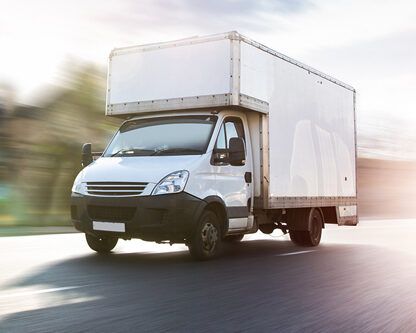
The addition of a fleet card to your business provides you with game-changing tools to oversee your fleet, control costs, and run your business in the most efficient way possible. Whether you have a small crew or are overseeing hundreds of vehicles, fleet cards help you save time and money by letting you:
Below, you’ll find “Fleet Cards 101,” a guide to understanding the benefits and uses of fleet cards in your business model.
Discover how you can best manage fuel costs, set product controls, and take advantage of Level III data.
A strong fleet card drives your business forward by providing advantages and opportunities for efficiencies and smarter fuel expense management.
A fleet card provides more to your business than a regular credit card. Fleet cards give businesses of all sizes tools for fuel expense management and fuel payment risk reduction, all in one place.
With many of the highest caliber fleet cards, you can take advantage of the following:
Fleet cards work for maintenance at accepting locations, and for purchasing certain product types in convenience stores, but most fleet cards’ primary use is for fuel. Unlike corporate credit cards, which are used on a broad range of expenses, fleet cards are usually only used for vehicle expenses. With WEX fleet cards you do have the option to provide your drivers with additional purchasing options through the WEX Edge program. With the WEX Edge savings network, you can receive discounts on ancillary items like tires, cellular service, hotel stays, and more.
The best fleet cards available offer more for your business than a credit card by providing ways to track and manage spending, help protect from fraud, help reduce overall fueling costs, and assist in fleet management. You always know who spends what, when, and where.
Fleet cards are safer to use than cash because they are protected and provide security for your dollars in a way cash cannot. Cash is hard to track, easily lost or stolen and isn’t very safe or secure. With cash, you can’t control how much is spent at one time, or at which locations. With a fleet card, driver spending is controllable and will help to avoid surprises on your bill. All you do is set the spending limits that work best for your business.
We are all looking for ways to build efficiencies in this globally interconnected, fast-paced world. A convenient, effective too that simplifies a complicated process helps you edge out the competition. It also makes the lives of your staff easier.
“Convenience” means not having to worry about which fueling station is nearby. This is one of the many benefits of a universal fleet card. “Universal” fleet cards are accepted at virtually any U.S. fueling station—more than 90% of them. You get the flexibility to fuel wherever you need to, without having to drive out of your way to find the right fueling station. (Just remember, you only get rebates at the issuing brand.) WEX’s Universal fleet card is accepted at more than 90% of all retail fuel locations, and at 45,000 maintenance locations, making it a great choice in a fleet card.
Contactless payment solutions help make some fleet cards especially convenient. Contactless payment:
WEX’s DriverDash app, which works at participating locations, is the perfect example of a fleet card tool that offers a safe and reliable method of contactless payment. DriverDash allows mobile fleet card payment at the pump and is linked to your fleet card account. DriverDash offers contactless payment, so drivers don’t have to touch a pump, enter a store, or pass a card back and forth.
As we live and work in an increasingly digital age, this kind of benefit becomes even more valuable. The contactless payment provided by DriverDash creates a smoother and safer exchange for your drivers and helps your company run more efficiently.
The best fleet cards provide instant access to a variety of reports, to view online or download to your bookkeeping software. Some fleet cards show you details like who the driver is, purchased fuel grade, and sales tax amounts for every purchase. With a fleet card with insights into card use, you’ll no longer need to go through the arduous task of collecting receipts from your drivers. This removes a time-consuming burden from your workday and alleviates some unwanted stress on both you and your team.
Some fleet card providers enable businesses to build data reports with their transaction data from which they can shape strategy. Choosing a provider offering fleet performance and fueling trend analysis tools, your team can easily strategize where to purchase the least expensive fuel. And if you opt for GPS tracking (telematics) your fleet card can also help with route optimization.
One example of this is WEX’s ClearView solutions. This tool allows fleet managers to review fuel consumption in easy-to-understand charts and graphs, alerting the business to potential spending spikes or irregular spending patterns. For example, if a vehicle is using more fuel than necessary, analytics from ClearView signals that a vehicle is in need of service (or that a driver needs additional training).
When you work with a fuel card provider offering these additional services, fleet management is streamlined and you’ll find you have more time in your day to further expand and fine-tune your business.
Fuel cards often provide fleet managers ways to save on fuel expenses. Most fleet cards offer fuel rebates, so you can save a few cents per gallon at the issuing brand. (This means if you get a fleet card from brand X, you get rebates only on fuel purchased at brand X locations.) The more you and your employees drive, the more savings add up. These rebates appear as a credit on your invoice.
With a discount program like WEX EDGE, which you automatically get when you sign up for a WEX fuel card, you can take advantage of discounts on tires and hotels that are applied at the point of sale.
When choosing a fuel card provider, look for a card that comes with powerful fuel management tools. A mobile app is also a great value-add because using a fuel card mobile app can reduce spending and identify purchasing anomalies and misuse.
WEX’s Fleet SmartHub mobile app is an example. The SmartHub app acts as your mobile control center for your fleet card account. WEX Fleet SmartHub gives business managers access to their account information anytime, anywhere, helping them increase efficiencies, reduce late fees, gain valuable insights, and control unauthorized driver spending.
The best fleet cards require drivers to enter identifying information for every purchase, like a PIN number and current odometer reading. This tells you who spends what, where, and when, helping curb theft and misuse. A good card program also lets you control how employees use the card, like limiting purchases by product type, dollar amount, and even the time of day or day of the week your card is used.
With services like WEX’s, your fleet card helps you prevent fuel slippage or fuel theft from occurring. The security of knowing who spends what, identifying employee theft, and the ability to cancel lost or stolen cards, will help give you peace of mind as you manage your fleet of commercial vehicles.
On the road? Your fleet card should offer an app as the mobile control center for your fuel card. With this app you should be able to:
We hope this article has helped you better understand what a fleet card is and how it can help you manage your fleet expenses. We’ve designed WEX fleet cards and the tools that come with your fleet card to give you access to ways to best manage your business, protect against fraud, and save money, and we continue to innovate to bring more value to them each year.
All fleet cards are not the same, and different types of fuel cards suit the needs of different kinds and sizes of businesses. View WEX’s fleet card comparison chart to see which fleet fuel card is right for you.
If you’re ready to get your fleet of drivers a fuel card, learn how in this step by step outline.
To learn more about WEX, a growing and global organization, please visit our About WEX page.
Editorial note: This article was originally published on October 16, 2019, and has been updated for this publication.